Icheon Wrist Tenosynovitis: If Your Wrist Is Stiff Every Morning, It Will Recur Unless You Know the Cause
Icheon Wrist Tenosynovitis If Your Wrist Is Stiff Every Morning, It Will Recur Unless You Know the Cause
Hello.
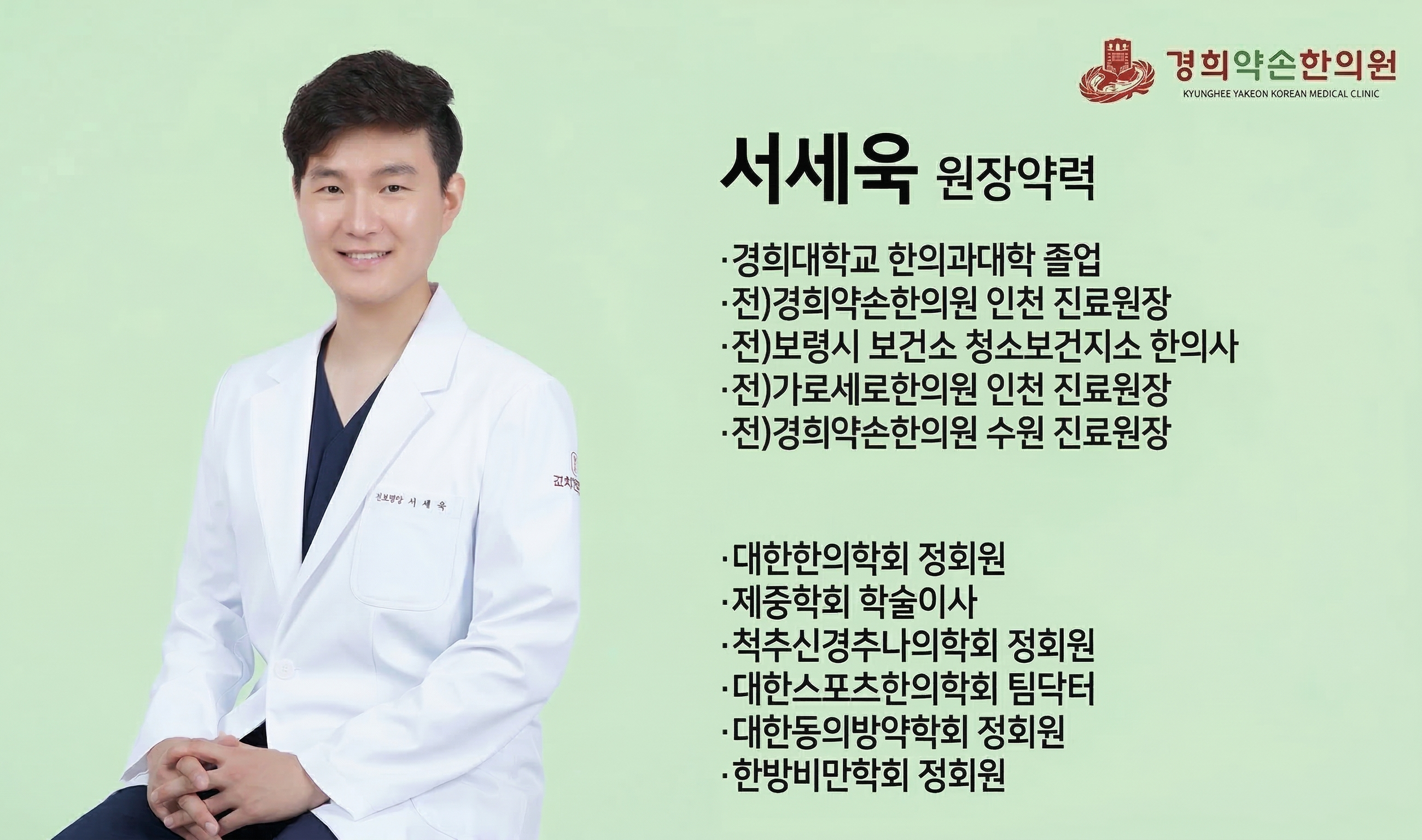
This is Director Seo Se-wook of Kyunghee Yakson Korean Medicine Clinic in Icheon.
You open your eyes in the morning,
try to make a fist,
and your wrist feels stiff and locked up.
Does this sound familiar?
Most people who come to us
for Icheon wrist tenosynovitis
bring this up first.
From the moment they open the door and walk in,
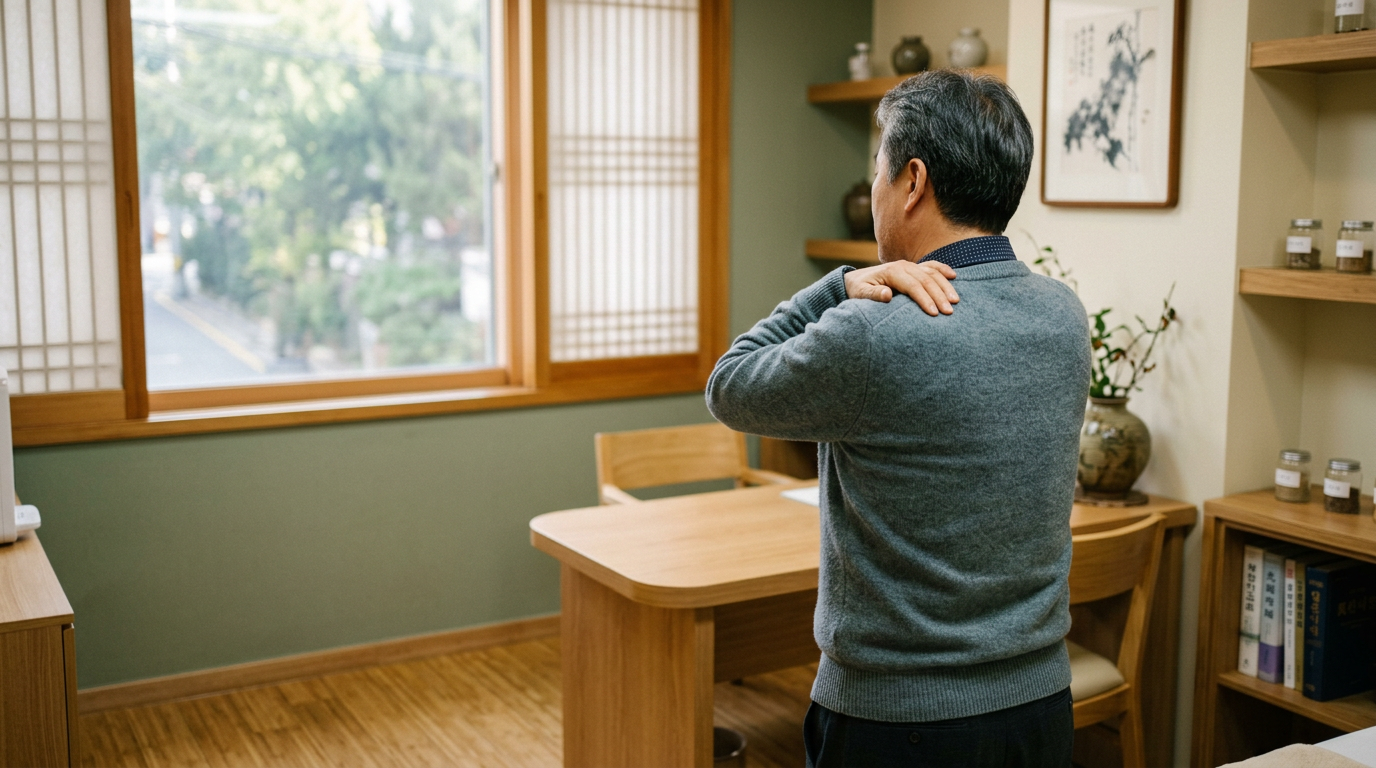
I notice them cradling one wrist
with the opposite hand.

Some flinch as they reach for a pen at the reception desk,
and others prop themselves up with their elbows
when sitting down, fearing the weight will fall on their wrist.
They all say the same thing.
"When I wake up in the morning,
my wrist is so stiff
that I can't turn the faucet."
"Every time I hold my baby,
my wrist feels like it's about to snap,
and I feel sorry for my child."
"I'm scared to grip the mouse,
so I can't get my work done properly."
When your wrist hurts, daily life falls apart.
Using chopsticks, lifting a glass of water,
turning a doorknob—
the most ordinary movements all become painful.
I fully understand that frustration.

The topic for today is
Icheon wrist tenosynovitis.
Many people brush it off,
thinking, "It'll get better if I just rest."
That's half right and half wrong.
Resting matters too, but
if you don't accurately check the condition
of the sheath that wraps around the tendon,
there are truly many cases
where inflammation keeps recurring in the same spot.
That stiff feeling every morning—
if you don't know the cause, it's bound to keep coming back.

But once you find the exact cause,
it can improve well enough without surgery.
Today I'll sum up these three things.
One,
why wrist tenosynovitis is so hard to cure
Two,
how Kyunghee Yakson Korean Medicine Clinic
treats the wrist
Three,
which habits you need to change
to prevent recurrence
For those losing sleep over Icheon wrist tenosynovitis,
I hope this article becomes a solution.

The Real Reason Wrist Tenosynovitis Is So Hard to Cure
Wrist tenosynovitis is
a condition where inflammation develops
in the thin sheath that wraps around the tendon.
Put simply,
it's a state where the passage the tendon runs through has swollen and narrowed.
The problem is that you can't
completely avoid using your wrist.
Even if you wear a brace
and are careful,
you still eat, wash, and drive.
In the end, you use your wrist
hundreds of times a day.
So even when it feels like "it's getting a bit better,"
the moment you start using it again
it quickly returns to how it was.

And there's one more thing.
Even when the wrist hurts,
there are quite many cases where the real cause is tension in the forearm muscles,
or where overusing the fingers
has piled up strain on the tendons around the wrist.
If you only treat the spot that hurts,
the root cause remains,
so it recurs.
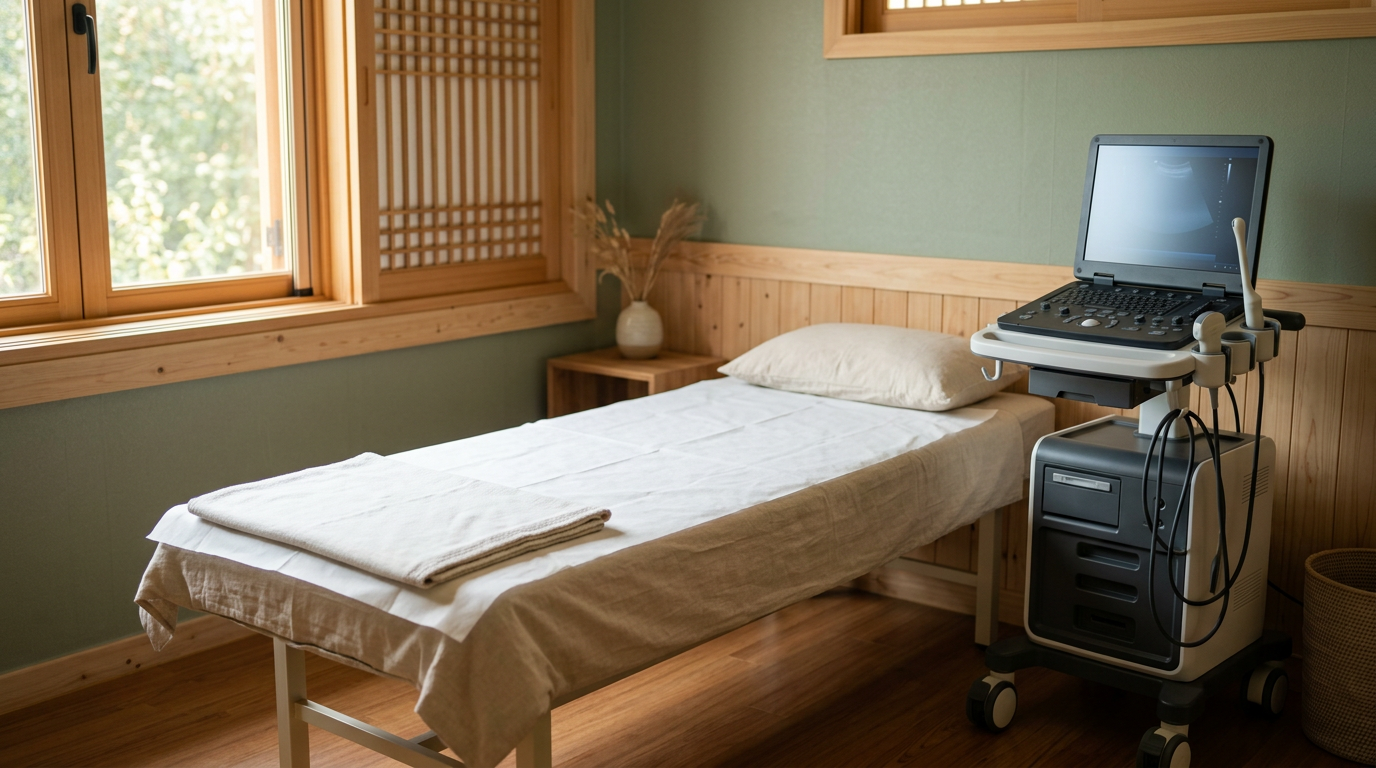
That's why I always perform
an ultrasound exam.
Only by checking on imaging the swelling of the tendon
and changes in the surrounding tissue,
and by pinpointing where
the problem began,
does the treatment direction become accurate.
How Icheon Kyunghee Yakson Korean Medicine Clinic
Treats the Wrist
I approach wrist tenosynovitis treatment in three stages.
First,
the stage of bringing down the swelling.
After confirming the extent of the inflammation with ultrasound,
I place pharmacopuncture at the exact spot.
Pharmacopuncture is a method of injecting herbal medicine components
directly into the inflamed area.
It can act on the affected tissue faster
than oral medicine,
so it is effective for controlling early inflammation.
By using acupuncture and electroacupuncture ****together,
we also release the tension in the surrounding muscles.
[How is pharmacopuncture placed under ultrasound guidance different?]
Click for the detailed article ▼
Second,
the stage of restoring function.
Once the pain subsides,
you need to gradually regain
the movement of the wrist and fingers.
At this point, by combining ICT treatment
and physical therapy,
we help the tissue that had stiffened
loosen up naturally.
Third,
the stage of preventing recurrence.
People whose inflammation keeps recurring
often have weak recovery capacity in the first place.
In such cases,
with herbal medicine prescribed to suit the constitution,
we focus on raising
the body's overall recovery capacity.
There is something
I always want to tell people in the treatment room.
"Real treatment is not just removing the pain,
but making sure the pain doesn't come back."
This is my treatment philosophy,
and it's also the meaning held in the name Yakson ("healing hands").
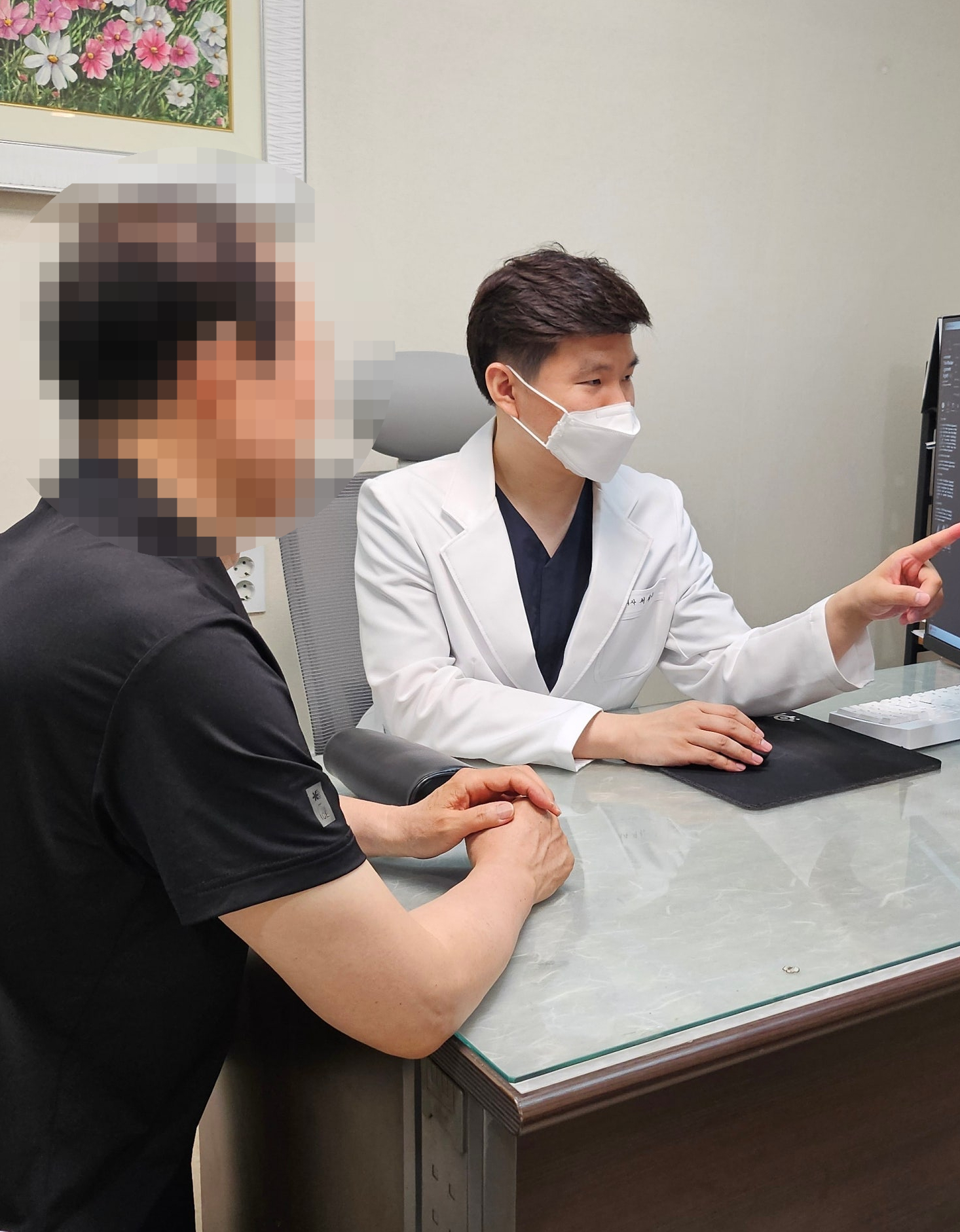
Who Should Be Especially Careful?
Those raising children after childbirth.
As the motion of picking up and putting down a child
is repeated dozens of times a day,
inflammation in the wrist develops very commonly.
Office workers who use
a computer mouse and keyboard
all day long.
There are especially many people
who commute from around Changjeon-dong in Icheon
and say, "I endured and endured before finally coming."
And the same goes for those who use their hands a lot
for cooking, cleaning, and so on.
Wringing out dishcloths
or lifting heavy pots
repeatedly piles up strain on the tendons.
If this is you,
when the pain lasts more than 2 weeks,
it's best not to endure it and to come in.
If caught early,
the treatment period shrinks dramatically.

Let me sum up today's talk.
Wrist tenosynovitis
won't heal with rest alone;
identifying the exact cause comes first.
Through ultrasound examination and pharmacopuncture,
once you bring the inflammation under control and restore function,
it can improve without surgery.
Especially if you're a new mom, an office worker,
or someone who uses their hands a lot,
don't endure it for more than 2 weeks—
please get it checked quickly.
Icheon wrist tenosynovitis,
that wrist that's stiff every morning—
once you find the cause, things can change.
Don't suffer alone; come and show it to us.
This was Seo Se-wook of Kyunghee Yakson Korean Medicine Clinic in Icheon.
Thank you.
[We have a direction of care that we pursue.]
Click to read the clinic introduction
The exams say there's nothing wrong,
so why does it hurt this much?
Everything you were curious about before Korean medicine treatment—
I'll explain it all
[They told you it's degenerative and can't be helped?]
I'll share the 5 misconceptions I hear often.
[Hours]
Mon, Wed, Fri 9:00-20:00 (reception closes at 19:00)
Tue, Thu 9:00-18:00 (reception closes at 17:00)
Lunch (13:00-14:00)
Saturday 09:00-14:00
(reception closes at 13:00; open through lunch without a break.)
Closed every Sunday as a regular holiday.
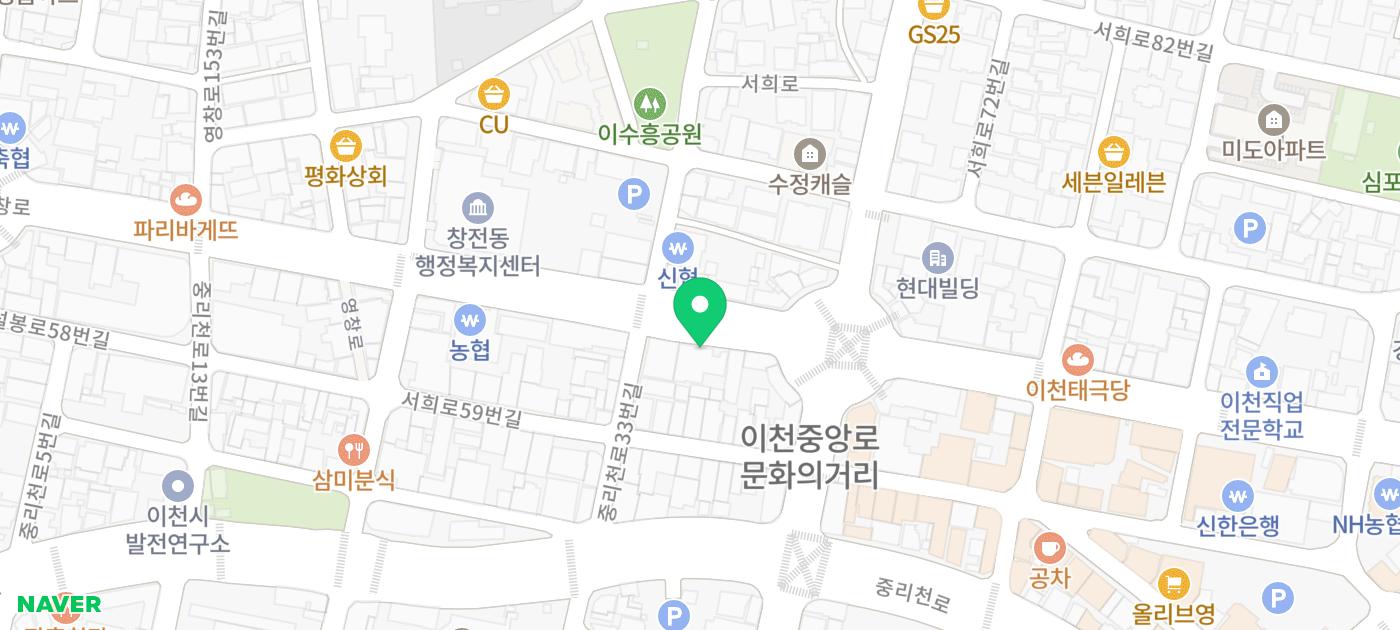
[Directions]
Address: 1F Baeyoung Building, 178 Yeongchang-ro, Icheon
Silver Intersection (former KEB/Hana Bank site)
Across from NC Department Store,
the building right next to Davich Optical Icheon Jungang Branch
About 100m toward
Shinhan Bank/Kookmin Bank
[By Public Transit]
Gwango-dong stop:
Go straight about 200m toward Shinhan/Kookmin Bank
Shinhan Bank stop:
Go straight toward Gwango Market and then
it's across the Jungang Intersection
[Parking]
When using the Gwango Market public parking lot,
1 hour of free parking is available.
Icheon Wrist Tenosynovitis If Your Wrist Is Stiff Every Morning, It Will Recur Unless You Know the Cause
Kyunghee Yakson Korean Medicine Clinic
1F Kyunghee Yakson Korean Medicine Clinic, 178 Yeongchang-ro, Icheon-si, Gyeonggi-do
Check in at this blog
Other posts about this place